Buying the wrong truck is expensive: too small and you turn work away, too big and you pay for capacity you never use. Work through these steps before you visit a dealer.
1. Start with the load, not the truck
Write down what you carry most often: weight per trip, volume, and whether it is loose, packed or liquid. This decides the payload you need.
2. Understand GVW and payload
- GVW (gross vehicle weight): the maximum legal weight of the truck plus its load.
- Payload: what you can actually carry — roughly GVW minus the truck's own (kerb) weight and body.
| Typical use | Common class |
|---|---|
| City deliveries, parcels, FMCG | Small commercial vehicles and pickups (under 3.5 T) |
| Intra-state distribution | Light and intermediate trucks (around 7–16 T) |
| Long-haul, construction, bulk | Heavy trucks, tippers and tractor-trailers (16 T and above) |
3. Pick the right body
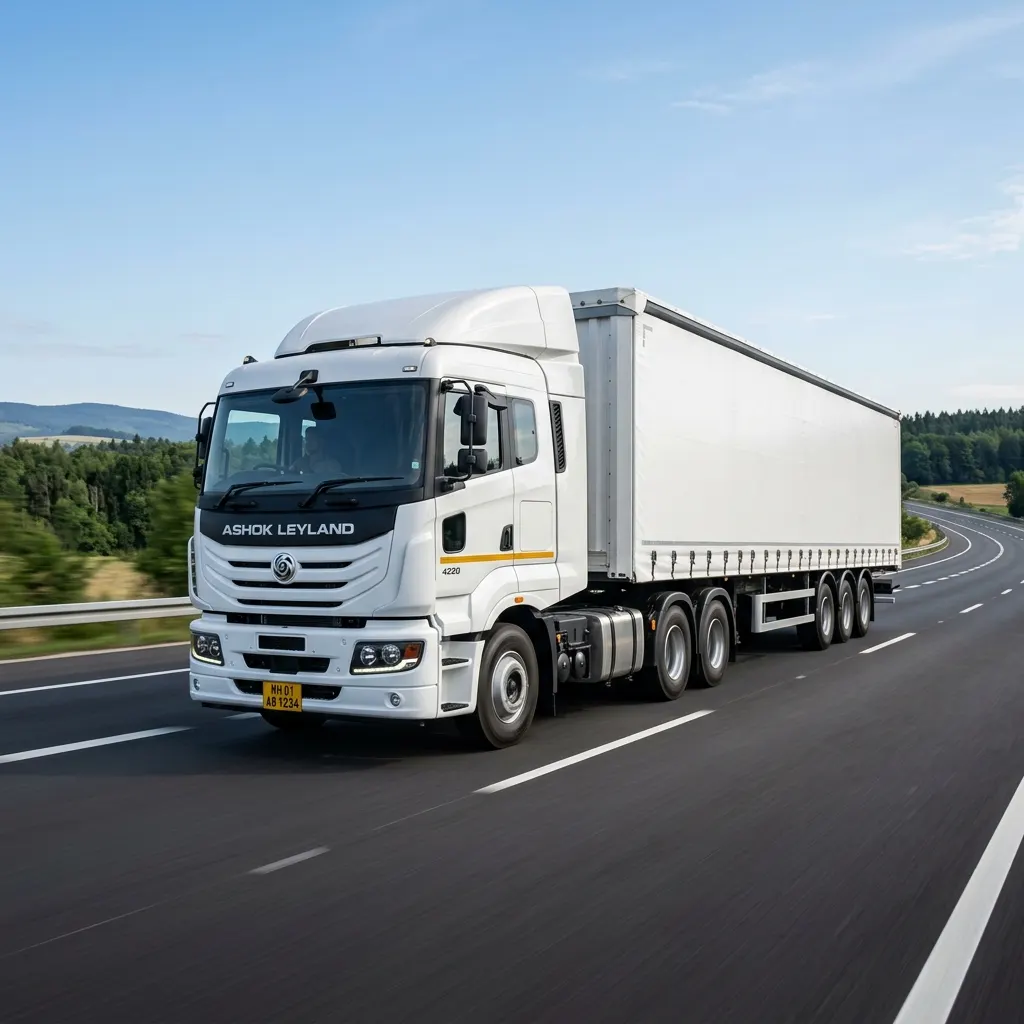
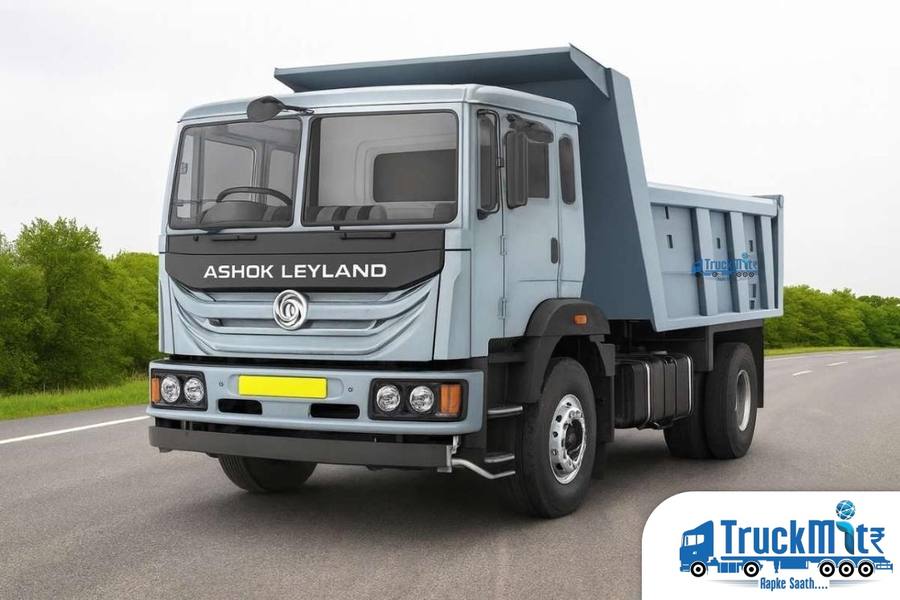
Open body for general cargo, container for weather-sensitive goods, tipper for construction material, reefer for cold chain. The body adds weight, so check the payload after body fitment.
4. Choose the fuel
- Diesel: the default for long distances and heavy loads.
- CNG: lower running cost where the CNG network is good, mostly for city and regional routes.
- Electric: very low running cost for fixed, short city routes with overnight charging.
5. Compare total cost, not just price
Add up EMI, fuel, tyres, service, insurance and permits per month, and compare that with expected earnings. A slightly costlier truck with better mileage and resale often wins.
6. Check service and resale
A brand with a service centre on your route keeps the truck earning. Popular models also resell faster.